
Damper Repair & Installation
A damper that won't close is an open window in your roof — bleeding conditioned air all year long. We free stuck plates, rebuild worn hardware, and install top-sealing dampers that shut airtight and keep rain and animals out for good.
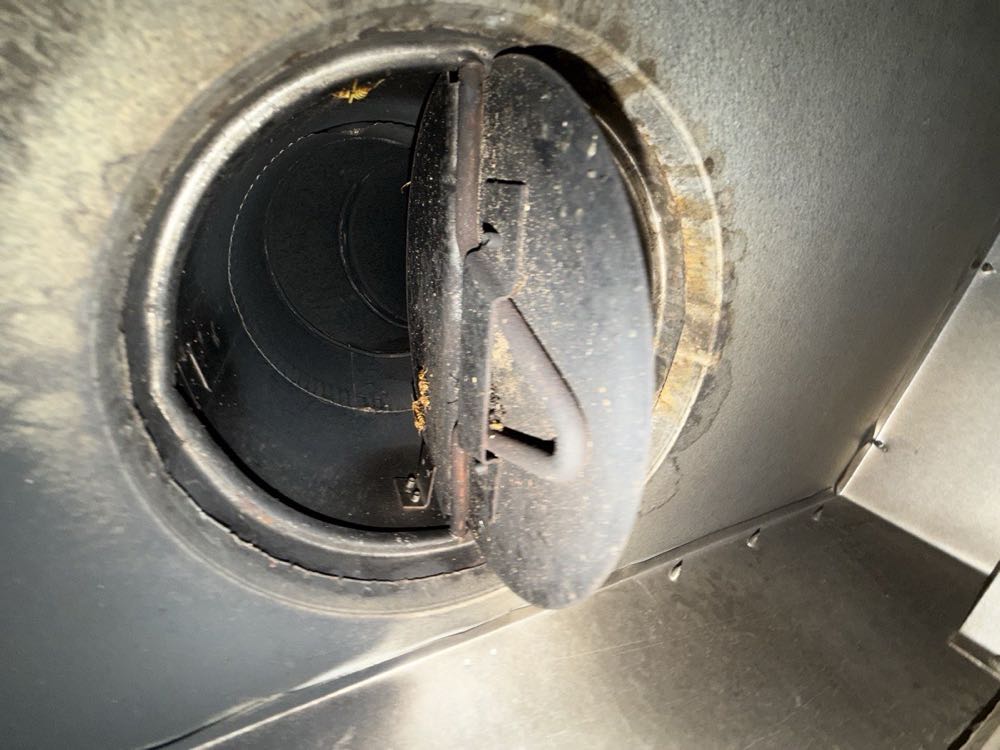
What is a fireplace damper?
The damper is the movable door inside your chimney. Open, it lets smoke draft up the flue while you burn; closed, it's supposed to seal the house off from the outdoors. Most DFW homes have a throat damper — a heavy cast-iron plate on a hinge just above the firebox, operated by a handle or rotary worm gear. It's a hundred-year-old design, and it shows: metal resting on metal, with no gasket, in the dampest part of the chimney.
That location is exactly why dampers fail. Rain falling down an uncapped flue pools on the plate and rusts the hinges. Creosote flakes jam the mechanism. Years of hot fires warp the plate so it never again sits flat. The result is a damper that's stuck open, stuck shut, or "closed" with a gap you could slide your hand through.
The energy cost of a damper that won't seal
An 8×13 flue with a failed damper leaks about as much conditioned air as leaving a window open year-round. In a North Texas summer, that's your air conditioning rising straight out of the roof; in winter it works in reverse, pulling heated air up and drawing cold drafts across the floor. Even a throat damper in perfect condition leaks — cast iron simply can't seal without a gasket. If your fireplace smells damp, whistles on windy days, or the room around it never holds temperature, the damper is the first suspect.
Repair, or upgrade to top-sealing?
When the hardware is sound, we free the plate, de-rust and lubricate the mechanism, and replace worn handles and clamps — a quick, inexpensive fix. When the damper is beyond saving, we usually recommend a top-sealing damper: a spring-loaded lid mounted at the top of the flue that closes on a silicone rubber gasket and is operated by a cable from the firebox. It seals genuinely airtight, and because it caps the flue, it doubles as rain and animal protection — many homeowners pair it with a stainless cap for full coverage.
Installed to code, documented in photos
Damper work touches both fire safety and carbon monoxide safety, so we install to NFPA 211 and manufacturer listing — including the required blocked-open clamp when vented gas logs share the flue. Every job ends the same way: photos of the finished work, a function test with you watching, and an exact price you approved before we started.
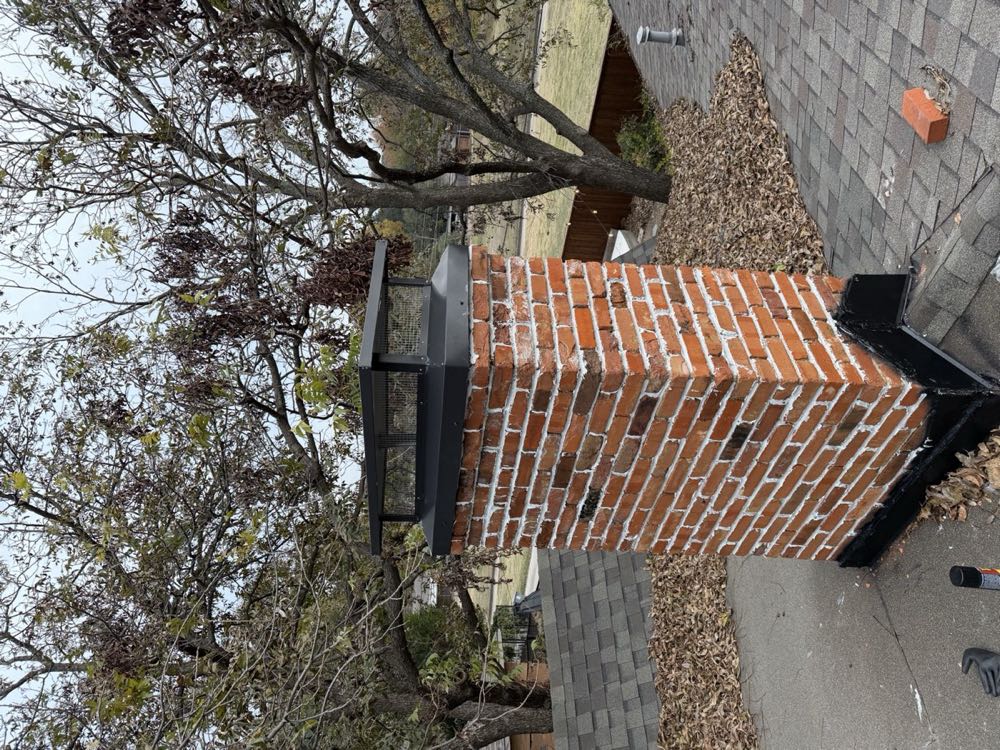
Signs your damper needs attention.
Stuck open or shut
A plate that won't budge — or takes two hands and a fireplace poker — is rusted or jammed and getting worse each season.
Cold drafts from the fireplace
If you feel airflow at the hearth with the damper "closed," the plate isn't sealing and your HVAC is paying for it.
Handle spins without gripping
A handle or rotary control that turns freely means stripped hardware — the plate may not be moving at all.
Rust flakes on the smoke shelf
Orange debris falling into the firebox is the damper corroding from above — usually rain coming down an uncapped flue.
Smoke rolls into the room
A damper that only half-opens chokes the draft, pushing smoke into the house every time you light a fire.
Damp or smoky odor indoors
A flue that never seals lets humid outside air — and old creosote smell — drift down into the living room all summer.
Diagnosed, repaired or upgraded — sealed tight.
$49 Inspection
We test the damper's full travel, check the plate, hinges and seal, and photograph what we find above the firebox.
Repair or Replace
You get a straight answer: a simple freeing and tune-up when the hardware is sound, or a top-sealing upgrade when it isn't.
Upfront Price
One all-in number for parts and labor — approved before we start, never adjusted after.
Install & Test
We mount, seal and cable the damper, verify it opens and closes smoothly with you watching, and leave photos of the work.
Dampers, answered.
How much does damper repair cost in DFW?
Simple repairs — freeing a stuck plate, replacing a handle or re-seating a damper on its hinges — start around $150 in Dallas–Fort Worth. A new top-sealing damper installed typically runs $350–$800 depending on flue size. You approve an exact, all-in price before we touch a tool.
What's the difference between a throat damper and a top-sealing damper?
A throat damper is the cast-iron plate just above the firebox that most homes were built with — metal on metal, no seal. A top-sealing damper mounts at the very top of the flue and closes on a silicone rubber gasket, sealing airtight and doubling as rain and animal protection. When a throat damper is beyond repair, the top-sealing upgrade is almost always the better spend.
Is a damper that won't close really costing me money?
Yes — an open flue is roughly the same leak as an open window. All summer it dumps your air conditioning up the chimney, and all winter it pulls heated air out of the house. In a DFW climate, a damper that seals usually pays for itself within a few cooling seasons.
Why won't my damper open or close?
The usual culprits are rust from rain coming down an uncapped flue, creosote and debris jamming the hinges, or a warped plate from years of hot fires. Most stuck dampers can be freed, cleaned and lubricated in one visit; badly rusted or warped ones are better replaced.
Can I use a top-sealing damper with gas logs?
With vented gas logs, code requires the damper to be blocked open or fitted with a clamp so combustion gases always have a way out. Some top-sealing dampers are approved for use with gas appliances when installed with the proper clamp — we'll confirm what your setup allows and install it to code.
Often paired with damper work.
Stop paying to cool the sky.
Book a $49 inspection and get an exact, upfront price to repair or upgrade your damper — often fixed the same day.
(469) 980-1178One call keeps the fire where it belongs.