
Chimney Flue Repair & Relining
Cracked tiles and open joints let flue heat and carbon monoxide reach the wood framing hidden inside your walls. We scan every flue on camera, show you exactly what we found, and reline with UL-listed stainless steel backed by a lifetime warranty.
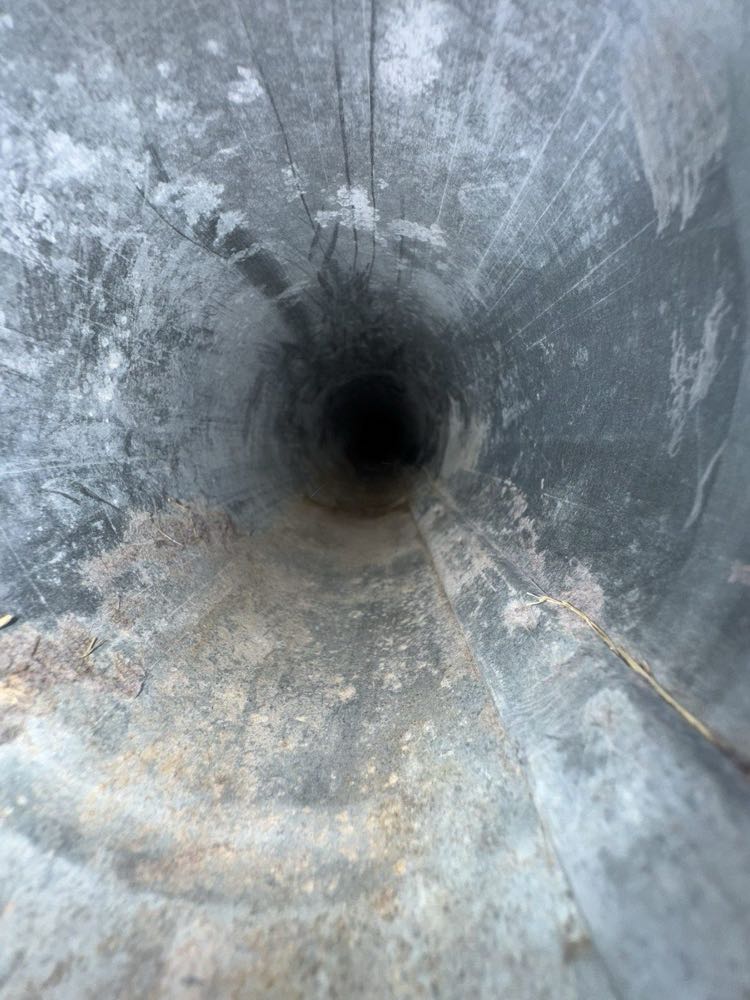
What is a chimney flue liner?
The flue liner is the inner pipe of your chimney — the sealed passage that carries smoke, flue gases and heat from the fireplace up and out of the house. In most DFW masonry chimneys it's a stack of clay tiles mortared together; in newer or converted systems it's a stainless steel pipe. The brick you see outside is just the shell. The liner is the part actually doing the safety work.
That work is simple but critical: keep 1,000°F+ heat and carbon monoxide inside the flue until they clear the roofline. When a tile cracks or a mortar joint between tiles washes out, every fire pushes heat and gas through that gap toward the framing lumber that sits just inches away — the classic recipe for a slow, hidden structure fire, and for CO seeping into bedrooms.
How clay tiles fail
Clay is brittle. A single chimney fire can crack tiles top to bottom in seconds, but most damage is slower: water from a missing cap freezes and thaws inside the tile, house settling shears joints apart, and decades of acidic flue condensate eat the mortar between tiles. The damage is invisible from the ground and from the firebox — which is why we diagnose every flue with a camera scan and walk you through the footage before recommending anything.
Insulated stainless steel relining
The modern fix is a one-piece stainless steel liner, sized to your appliance, wrapped in insulation and dropped down the existing flue. We install UL-listed liner systems in 316-alloy stainless, connected with the correct tee, cap and components and installed to NFPA 211. Insulation keeps flue gases hot, which improves draft and cuts creosote condensation. The manufacturers back these liners with lifetime warranties — done once, done for good.
Resurfacing for minor damage
Not every flue needs a full reline. When tiles are sound but joints are eroded, a HeatShield-style refractory resurfacing can seal gaps and restore a smooth, gas-tight flue at a lower cost. If a camera scan shows your chimney qualifies, we'll tell you — we quote the repair the flue needs, not the biggest ticket on the menu. Start with a camera inspection and you'll see everything we see.
Signs your flue needs repair or relining.
Tile shards in the firebox
Thin, curved pieces of terracotta on the smoke shelf or firebox floor are flaking flue tile — a failing liner shedding from the inside.
You've had a chimney fire
Even a brief one. The thermal shock of a chimney fire routinely cracks clay tiles end to end, and the flue must be scanned before the next burn.
Failed a Level 2 inspection
If a home-sale or insurance inspection flagged cracked tiles or gapped joints, the flue is out of service until it's corrected.
Smoke or odor in other rooms
Smoke smell upstairs or in adjacent rooms while burning means flue gases are escaping the liner somewhere along its run.
An older, unlined chimney
Many pre-1940s chimneys were built with no liner at all — bare brick and thin mortar are all that separate flue gases from framing.
New appliance, old flue
Swapping to a gas insert, furnace or wood stove changes the flue size the system needs — an oversized old flue drafts poorly and condenses acids.
Scanned, sized, relined — verified on camera.
Camera Scan
We run a high-resolution camera the full length of the flue and show you every crack, gap and offset on screen.
Honest Diagnosis
Resurface, repair or reline — we explain what the damage actually requires and why, with the footage to back it up.
Upfront Price
One all-in number for the liner, insulation, components and labor — approved by you before anything is ordered.
Install & Verify
The insulated liner is set, connected and capped to NFPA 211 — then re-scanned, with photos of the finished system for your records.
Flue relining, answered.
How much does chimney relining cost in DFW?
Most insulated stainless steel relines run $1,500–$5,000 in Dallas–Fort Worth, depending on chimney height, flue diameter and how much demolition is needed to remove damaged tile. Minor tile damage can sometimes be resurfaced for less. You get an exact, all-in price after a camera scan — before any work begins.
Can I keep using a fireplace with a cracked flue tile?
No. NFPA 211 says a flue with cracked or gapped tiles is unfit for use, because every gap is a path for 1,000°F+ heat and carbon monoxide to reach the wood framing hidden around your chimney. It should stay out of service until it's repaired or relined.
What's better — a stainless liner or replacing the clay tiles?
For almost every home, an insulated stainless liner wins. Replacing clay tiles means breaking into the chimney at every damaged joint, while a one-piece stainless liner installs from the top in a day, carries a lifetime warranty and often improves draft. Tile replacement only makes sense in rare restoration projects.
How long does a relining job take?
Most relines are finished in a single day. We measure and scan on the first visit, order the correct liner and components, then install, insulate, connect and camera-verify the finished system — usually within the same week.
How long will a stainless steel liner last?
A properly sized, insulated 316-alloy stainless liner is a lifetime component — the manufacturers we install back them with lifetime warranties. Keep up with annual sweeping and inspection and it should be the last liner your chimney ever needs.
Often paired with a reline.
One cracked tile is all it takes.
Book a $49 inspection and see your flue on camera — with an exact, upfront price for whatever it needs.
(469) 980-1178One call keeps the fire where it belongs.