
Dryer Vent Cleaning
Lint is fuel, and your dryer is the ignition source. We rotary-clean the entire vent run to the exterior hood — cutting fire risk, dry times and energy bills in one visit.
Why dryer vents need professional cleaning
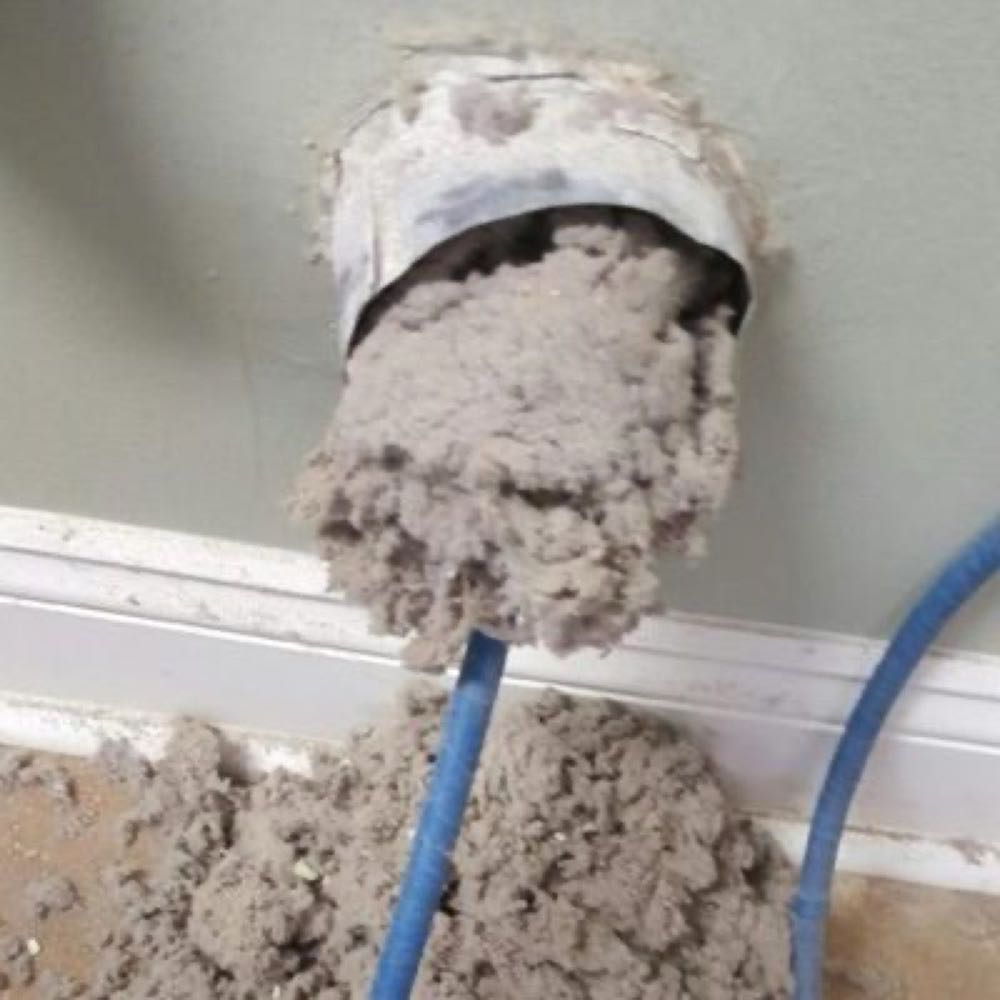
Every load of laundry sheds lint, and the screen inside your dryer door catches only part of it. The rest rides the exhaust air into the vent duct, where it snags on seams, elbows and any sag in the line. Layer by layer, the duct narrows — and because it happens slowly, most homeowners never notice until the dryer struggles, the laundry room gets hot, or worse.
Lint is fuel. It's dry, fluffy cellulose — practically fire-starter by design — packed inside a metal tube attached to an appliance with a glowing heating element. Clogged dryer vents are the leading cause of the thousands of residential dryer fires American fire departments respond to every year, and nearly all of them were preventable with a cleaning that costs less than a dinner out.
It's costing you money before it's dangerous
Long before a blocked vent becomes a fire risk, it becomes a utility bill. When moist air can't escape, clothes need two or three cycles instead of one — doubling the energy per load and cooking your dryer's components toward an early failure. In DFW's long cooling season there's a second penalty: a dryer that runs twice as long dumps twice the heat into the house, and your air conditioner pays for it. A clear vent is the rare service that pays for itself.
What a full-run cleaning means
Plenty of handyman cleanings stop at arm's reach behind the dryer. Texan Flue cleans the entire run: a rotary brush travels every foot of duct — through every elbow and vertical rise — from the dryer connection to the exterior hood, while a high-volume vacuum captures the lint as it breaks loose. Many North Texas homes route dryer vents up through the roof, which is exactly where clogs pack the tightest and where we're most at home. We finish by clearing the hood or roof cap, checking that its flap or screen isn't trapping lint, verifying strong airflow at the termination, and showing you photos of what came out. If the run uses crushed plastic flex duct — a code violation and a fire risk — we'll show you that too and quote a fix upfront.
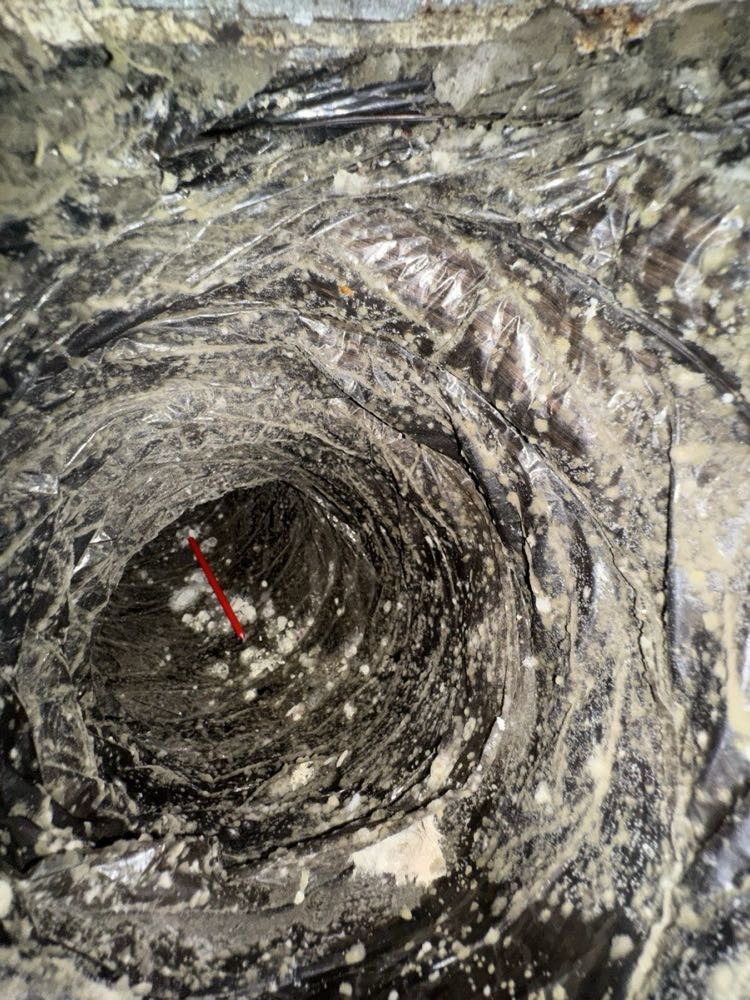
Signs your dryer vent is clogging.
Loads take more than one cycle
Towels still damp after a full cycle is the classic first symptom of a blocked vent.
Dryer is hot to the touch
A cabinet top too hot to rest your hand on means exhaust heat has nowhere to go.
Burning smell while drying
Hot lint smells like scorched paper — shut the dryer off and get the vent checked before the next load.
Laundry room feels humid
Moist air leaking around the dryer instead of exiting outside points to a backed-up duct.
Little airflow at the outside hood
Run the dryer and check the exterior flap: weak breeze or no movement means the run is packed.
Over a year since the last cleaning
Annual cleaning is the standard — sooner for big families, pet owners and long rooftop runs.
Every foot of duct, dryer to daylight.
Inspect & Measure
We trace the vent's full route, check airflow at the exterior hood and quote an exact price before any work.
Rotary Clean the Run
A spinning brush scrubs the entire duct through every elbow while a high-volume vacuum captures the lint.
Clear the Termination
The exterior hood or roof cap is cleared and its flap checked so exhaust exits freely — and pests stay out.
Verify & Show You
We confirm strong airflow end to end and show you photos of the lint that came out and the clean duct left behind.
Dryer vents, answered.
How much does dryer vent cleaning cost in DFW?
Most dryer vent cleanings in Dallas–Fort Worth run $99–$199, depending on the length of the run and how the vent is routed. Long runs to a rooftop termination sit at the higher end. Texan Flue quotes an exact all-in price before we start — no surprises at the door.
How often should a dryer vent be cleaned?
Once a year for most households, and every six months if you have a large family, pets, or a long vent run to the roof. If you can't remember the last cleaning, the lint says you're due.
Is a clogged dryer vent really a fire hazard?
Yes — lint is one of the most flammable materials in your home, and a clogged vent packs it against a heating element that runs well over 130°F on every cycle. Failure to clean the dryer and its vent is the leading cause of the thousands of dryer fires U.S. fire departments respond to each year.
Will cleaning actually make my dryer work better?
Noticeably. A clear vent restores full airflow, so loads dry in one cycle instead of two, the dryer runs cooler, and the energy wasted pushing damp air through a blocked duct goes back in your pocket. Many customers tell us it feels like getting a new dryer.
Do you clean the whole vent or just behind the dryer?
The whole run. A rotary brush travels the entire duct — every foot, every elbow — from the dryer connection to the exterior hood, while a high-volume vacuum captures the lint. We finish by checking the hood flap outside and verifying strong airflow at the termination.
Often booked with a vent cleaning.
One load, one cycle — the way it should be.
Book a $49 inspection and get an exact, upfront price — most vents cleaned the same day.
(469) 980-1178One call keeps the fire where it belongs.