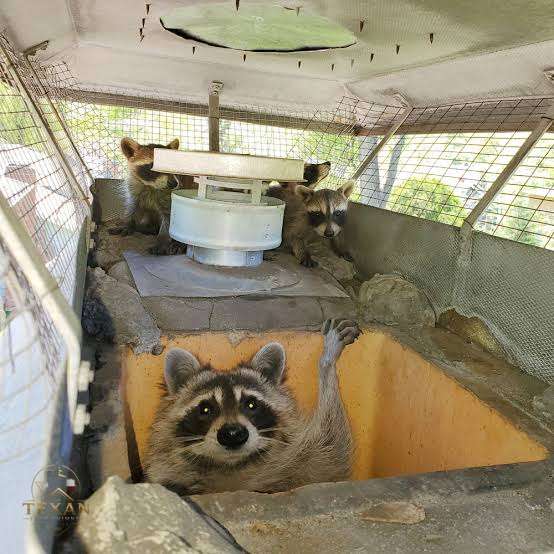
It usually starts with a sound. A frantic scratching behind the firebox at dawn. A soft, chittering flutter that echoes down the flue on a still July evening. Or that unmistakable, insistent scrabbling of tiny claws against clay tile. If you suspect a bird, raccoon, or squirrel has taken up residence in your chimney, take a breath: you are not the first Dallas–Fort Worth homeowner to face this, and there is a calm, correct way through it.
Summer is peak season for uninvited chimney guests across DFW, from the historic homes of Highland Park to newer builds in Frisco and Southlake. Below, we will walk you through exactly what to do, why the DIY route can end badly for both you and the animal, and how a professional makes the whole ordeal disappear, humanely and for good.
Your chimney looks, to a nesting animal, exactly like a hollow tree: sheltered, warm, and predator-free. Late spring through August is when that instinct peaks across North Texas, because it is nesting and denning season.
Triple-digit Texas heat makes matters urgent: a trapped animal can perish quickly in a hot flue, and that creates its own set of problems for your home.
Before anyone climbs a ladder, do these three things:
Resist the urge to lower ropes, poke with brooms, or open the damper to "let it out." These well-meant moves usually drive the animal deeper, injure it, or release it into your home.
Chimney wildlife removal looks simple on a video and rarely is. The real risks stack up fast:
There is also a legal reason. Chimney swifts are federally protected under the Migratory Bird Treaty Act, which makes it illegal to trap, harm, or remove their active nests. This is why the correct response is to call a professional, not to trap the birds yourself.
At Texan Flue, we handle every removal with patience and respect for the animal and your home. Our approach is methodical, not brute force:
The result is a clean, empty, sound flue and a home that feels like yours again, handled with the quiet professionalism our clients expect.
Nearly every chimney animal problem we see in Dallas–Fort Worth shares one cause: a missing, damaged, or ill-fitting cap. A properly sized cap is the single most effective, most affordable defense you can add.
Our chimney cap installation is measured and fitted to your exact flue, so the problem does not simply move next door and return next season.
Cost depends on the species, whether young are present, and how much cleanup the flue needs, so there is no honest one-size-fits-all number. That is exactly why we offer a free estimate: we assess your specific situation and give you a clear, upfront price with no surprises.
If they are chimney swifts, they are protected under the Migratory Bird Treaty Act, so their active nests cannot legally be removed until the young have fledged. We will inspect, confirm the species, and lay out a lawful, humane plan. Once the flue is clear, a cap prevents a repeat. Call for a free estimate.
Sometimes a squirrel or raccoon can climb out, but in summer heat a trapped animal may die in the flue, leaving odor, insects, and a mess. Young animals cannot leave at all. It is safer and cleaner to have a professional assess it, which we will do at no charge.
Yes. A correctly sized, professionally installed cap is the most reliable way to keep wildlife out for good, and it protects against rain, debris, and sparks too. Cap pricing varies by flue size and material, and your free estimate will spell it out clearly.
We serve homeowners throughout Dallas–Fort Worth, from Fort Worth and Southlake to Plano, Frisco, and the Park Cities. Call (469) 771-7000 and we will schedule your free estimate.
Don't share your home with an unwanted guest a moment longer, call Texan Flue at (469) 771-7000 for your free estimate, where chimneys meet luxury.
Treat it that way — book a free camera inspection and see exactly what's going on inside.
Get a Free Estimate