
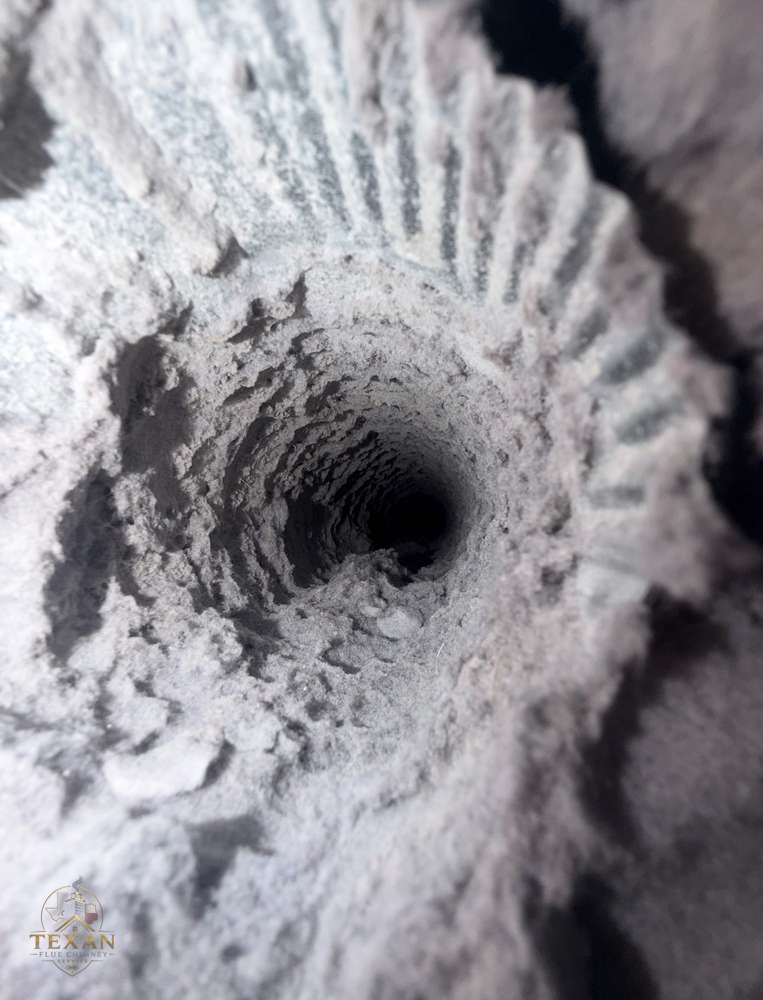
You load the dryer, run a full cycle, and open the door to damp, warm clothes that need another round. It feels like the machine is failing—but nine times out of ten, the dryer is fine. The airflow behind it isn't. Across Dallas–Fort Worth, the single most overlooked cause of a dryer that won't dry is a lint-clogged vent line, and it is far more than an inconvenience.
At Texan Flue, we treat your home's venting with the same precision we bring to fine masonry—because Where Chimneys Meet Luxury means the details you never see are handled flawlessly. Here's how to recognize the problem, why it happens, and why it deserves attention now rather than later.
A dryer starved of airflow shows a consistent set of warning signs. If two or more of these sound familiar, your vent is almost certainly the issue:
These aren't random quirks. They are the predictable result of moist air that has nowhere to go.
A dryer works by heating air, tumbling your clothes through it, and pushing the resulting hot, humid air out of your home through the vent duct. The lint screen catches only a fraction of the fibers shed during a cycle. The rest travels into the duct, where it clings to the walls, gathers at bends, and slowly narrows the passage.
As the duct constricts, moist air can no longer escape efficiently. That humidity stays in the drum, so your clothes stay wet. The machine compensates by running hotter and longer, which is why loads take two cycles and the appliance feels like it's overheating. You're not imagining the extra time or the higher energy bill—both are symptoms of a duct that can no longer breathe. Cleaning the vent restores full airflow, and the difference is usually dramatic on the very next load.
This is the part homeowners underestimate. Lint is highly combustible, and a clogged vent traps both heat and fuel in the same confined space. Restricted airflow forces the dryer's heating element to work harder, temperatures climb, and dry lint sits inches away. It is a well-documented fact that lint buildup is a leading cause of residential dryer fires each year.
The warning signs above—excess heat, a burning smell, clothes that come out scorching—are the same early indicators of a duct approaching a dangerous threshold. A vent that won't dry your clothes is telling you it's overdue for service. Clearing it is one of the simplest, highest-impact safety steps you can take for a DFW home.
Many Dallas–Fort Worth two-story homes—think Frisco, Southlake, Prosper, and the established neighborhoods of Fort Worth—run the upstairs laundry vent all the way up and out through the roof. These lines are long, they include multiple elbows, and they terminate on a steep, high roof. That combination is exactly where lint accumulates fastest, and exactly where problems go ignored.
Here's the uncomfortable truth: plenty of vent cleaners quietly skip these homes. A steep second-story roofline is difficult and, frankly, hazardous to access, so the roof cap—the very spot where lint chokes off the airflow—never gets touched. Texan Flue does not cut that corner. We clean the entire run, from the dryer connection to the roof termination, with the proper equipment and safety rigging to reach it. If your upstairs dryer struggles, the roof cap is the first place we look. Explore our full dryer vent cleaning service to see how we handle the toughest terminations in the metroplex.
For most DFW households, once a year is the right rhythm. Larger families, homes with pets, and long roof-terminated runs on two-story houses often benefit from cleaning every six to nine months, simply because they generate and trap more lint. If you've noticed any of the symptoms above, don't wait for the calendar—that's your cue to schedule now.
An annual visit also pairs naturally with the rest of your home's exterior systems. Many of our clients bundle vent service with a chimney sweep, keeping every duct, flue, and vent on the same tidy maintenance schedule. It's the kind of quiet, consistent care that protects both your home and your peace of mind.
Price depends on the length of the run and whether the vent terminates on a steep two-story roof, which takes more equipment and time. Rather than guess, we give you a clear number up front. Texan Flue offers a free estimate—call (469) 771-7000 and we'll assess your setup at no charge.
Absolutely—it's the most common cause we see. When lint restricts the duct, humid air can't escape, so clothes stay damp and the machine runs hotter and longer. Clearing the vent typically restores normal drying on the very next load.
Yes, and it's a specialty of ours. Many cleaners skip steep roof terminations because they're hard to reach; Texan Flue cleans the full run to the roof cap with proper safety equipment. Request a free estimate at (469) 771-7000.
If the drum heats up, the clothes come out hot but damp, and drying times have gradually increased, the vent is the likely culprit rather than the appliance. Weak or nonexistent airflow at the exterior flap is another giveaway. We can confirm it during a free estimate.
Yes. Lint is highly flammable, and a restricted vent traps heat right next to that fuel—lint buildup is a leading cause of dryer fires. Regular cleaning removes the hazard and keeps your dryer running efficiently.
Stop running two cycles and start protecting your home—get a free estimate from Texan Flue today at (469) 771-7000, where chimneys meet luxury.
Treat it that way — book a free camera inspection and see exactly what's going on inside.
Get a Free Estimate