
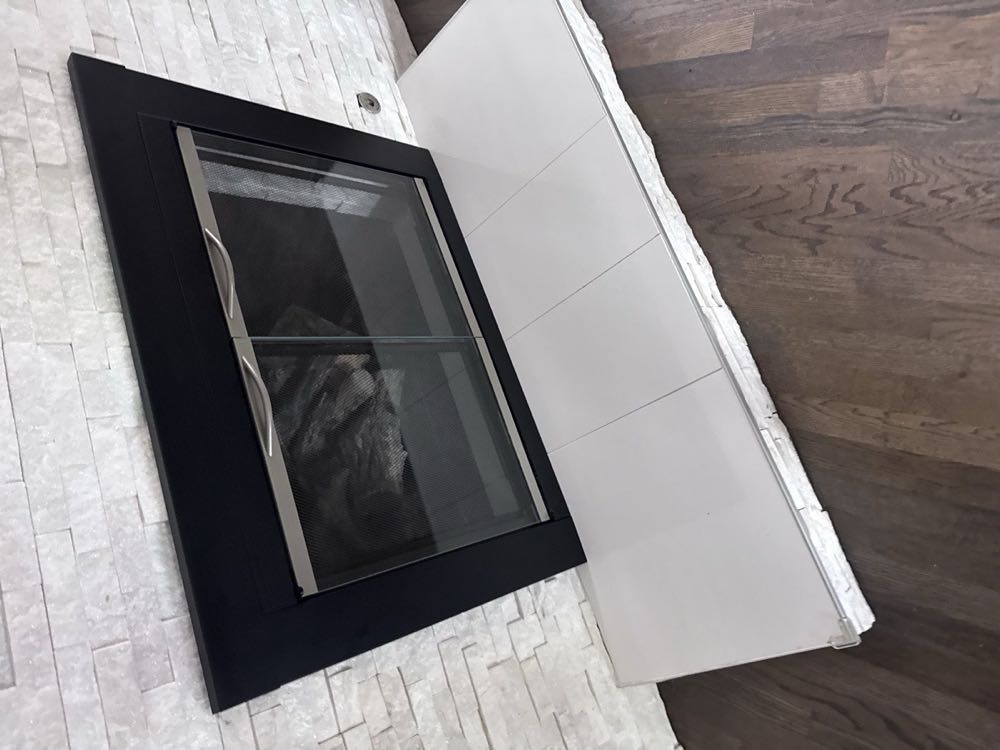
A gas fireplace should be effortless — one touch, and warmth fills the room. So when the flames refuse to appear, or the glass turns an ominous black, it feels like a betrayal of everything that made the fireplace luxurious in the first place. The good news: most gas fireplace failures trace back to a handful of common, understandable causes. Here is what may be going wrong, what you can safely check yourself, and where the line falls between homeowner curiosity and certified expertise.
Gas fireplaces are elegantly simple in principle and surprisingly intricate in practice. A single weak component can interrupt the entire sequence. The most frequent culprits we see across Dallas–Fort Worth homes include:
A few gentle checks are perfectly appropriate for any homeowner — no tools, no risk:
Everything beyond this belongs to a certified technician. The gas valve, gas connections, and venting are not places for trial and error. If you smell gas, do not investigate — leave the home and call your gas provider, then call us.
The most persistent misconception about gas fireplaces is that they never need attention. They burn cleanly, so surely they care for themselves? Not quite. A gas fireplace is a combustion appliance venting through your chimney, and it deserves the same respect.
Venting can corrode and block over time, trapping combustion byproducts — including carbon monoxide — inside the home. Glass gaskets degrade, logs shift out of their engineered positions, and sensors drift out of tolerance. An annual inspection is not a luxury add-on; it is the quiet discipline that keeps a luxury fireplace both beautiful and safe. Our gas fireplace service is built precisely for this.
If the glass has darkened or the logs wear a film of soot, your fireplace is telling you something. Clean-burning gas should leave the glass clear. Black glass typically signals incomplete combustion — often from misplaced logs, an incorrect air-to-gas mixture, or debris disrupting the burner. Left unaddressed, it means wasted fuel and, more importantly, a combustion process that isn't behaving as designed. Correcting log placement and burner condition is part of a proper service, and worn or discolored logs may call for fresh gas log installation.
The finest time to service a gas fireplace is before you need it — in the warm months, when a small issue can be resolved calmly rather than discovered on the first cold night. An annual visit lets us clear spider webs and debris, test the thermocouple and thermopile, inspect the valve and connections, verify the venting is clear, and confirm your carbon monoxide protection is sound. Pairing service with our $49 camera inspection gives you a documented, interior view of the venting — proof, not guesswork.
Above all, our approach is safety-first. We never cut corners on gas connections, and neither should anyone. A gas fireplace, properly maintained, is one of the great pleasures of a Texas home — reliable, refined, and ready the moment you are.
If your fireplace won't light, the glass has gone dark, or you simply want peace of mind before the season turns, our certified technicians are ready. Book your gas fireplace service today, or call us directly at (469) 771-7000. Let us restore the effortless warmth you deserve — where chimneys meet luxury.
Treat it that way — book a $49 camera inspection and see exactly what's going on inside.
Book a $49 Inspection