A chimney fire is one of the most misunderstood hazards in a fine home. Many homeowners picture dramatic flames leaping from the crown, yet the most dangerous chimney fires are the quiet ones nobody hears at all. They smolder inside the flue, weaken your masonry, and set the stage for a far more destructive event the next time you light a fire. For the discerning Dallas–Fort Worth homeowner, understanding these signs is not simply about maintenance—it is about protecting a significant investment and the people inside it.
At Texan Flue, where chimneys meet luxury, we believe knowledge is your first line of defense. This guide explains exactly what a chimney fire is, how to recognize one while it is happening, how to spot the telltale evidence of a slow fire you may have missed, and precisely what to do next. If any of this sounds familiar, do not wait—call us at (469) 771-7000.
A chimney fire is the ignition of creosote—the dark, tar-like residue that builds up inside your flue every time you burn wood. As smoke rises and cools against the flue walls, it condenses into layers of creosote. Over a season or two, that residue can harden into a glossy, fuel-rich glaze.
When the temperature inside the flue climbs high enough, that creosote ignites. Because it lines the entire chimney, the fire has a continuous fuel source running vertically through the heart of your home. Temperatures can exceed 2,000°F—hot enough to crack clay flue tiles, warp steel, and ignite the wood framing that surrounds the chimney chase. There are two kinds: the fast, roaring fire you notice immediately, and the slow-burning fire that quietly damages your system without ever announcing itself.
A fast-moving chimney fire is loud and unmistakable once you know what to listen for. If you are burning a fire and notice any of the following, treat it as an emergency:
If you experience these signs, get everyone out of the home and call 911 first. A chimney fire can breach the flue and spread into concealed spaces within minutes.
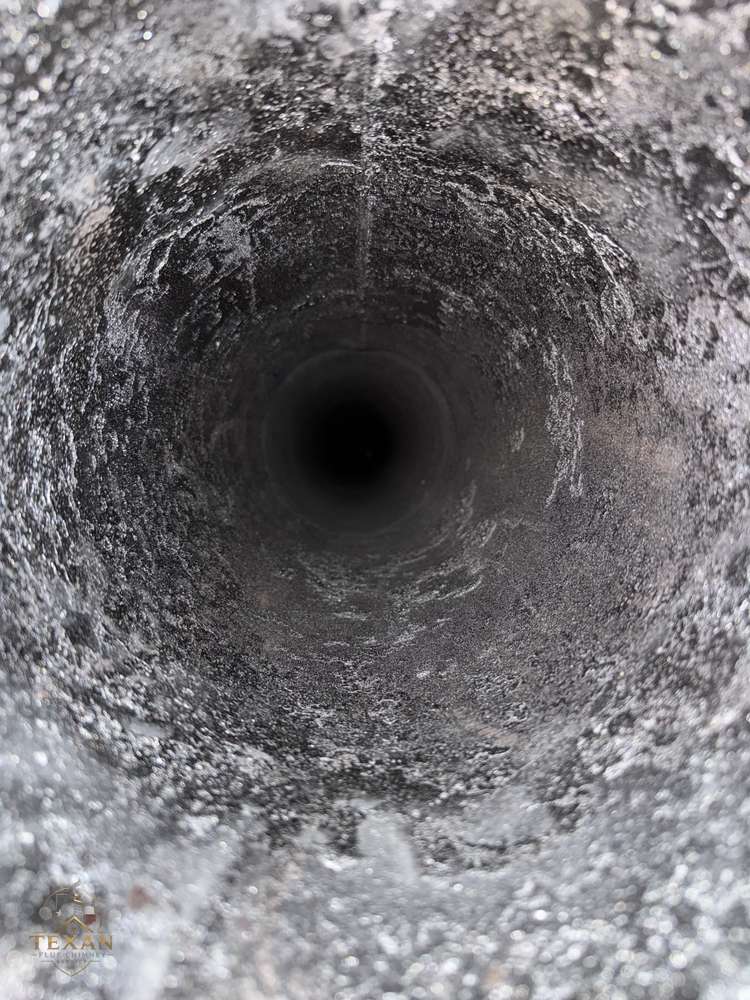
Here is the sobering truth: most chimney fires go completely unnoticed while they happen. A slow fire may burn briefly, run out of oxygen, and extinguish itself—all without a sound. But it leaves evidence behind. During a routine cleaning or inspection, our technicians look for the fingerprints of a past fire:
Any one of these findings means a fire has likely occurred and your chimney can no longer be trusted until it is professionally evaluated.
If you suspect a chimney fire is happening right now, act in this order:
Once the emergency has passed and the fire department has cleared your home, your very next call should be to a professional chimney company. A chimney that has experienced a fire is compromised until proven otherwise.
After any known or suspected chimney fire, a standard visual check is not enough. The critical damage—cracked flue tiles, gaps, and breaches—happens deep inside the flue where the eye cannot reach. This is why a Level 2 inspection is the recognized standard following a fire.
A Level 2 inspection uses a specialized video camera to travel the full length of your flue, documenting every tile, joint, and transition. It reveals whether the fire cracked the liner, whether hot gases can now escape into your walls, and whether the chimney is safe to use again. At Texan Flue our pricing is transparent: a Camera inspection is $49, a Level 1 is $99, a Level 2 is $199, and a Level 3 is $299. If the inspection uncovers damage such as a compromised liner, we provide a free, no-obligation estimate for repairs, which may include flue relining to restore a safe, sealed pathway for smoke and gases. We are fully insured and treat every DFW home with the care it deserves.
The good news is that chimney fires are almost entirely preventable with a few disciplined habits:
Regular professional care is the single most effective safeguard—and it costs a fraction of what fire damage does.
No. Even if the chimney looks fine from below, a fire can crack the flue liner internally, allowing heat and gases to reach the wood framing of your home. Stop using it and schedule a Level 2 inspection before lighting another fire.
Look for puffy or honeycombed creosote, cracked flue tiles, a discolored or warped chimney cap, a heat-distorted damper, or creosote flakes on your roof. A camera inspection is the only way to confirm hidden interior damage.
Chimney fires are caused by creosote, a flammable residue that builds up from burning wood. When it accumulates and the flue gets hot enough, the creosote ignites. Annual cleaning removes this fuel and is the best prevention.
At Texan Flue a camera inspection is $49, a Level 1 is $99, a Level 2 is $199, and a Level 3 is $299. If we find damage, repairs come with a free, no-obligation estimate. We are fully insured across the DFW area.
A Level 2 inspection uses a video camera to examine the entire interior of the flue, revealing cracked tiles, breaches, and hidden damage a visual check would miss. It is the recognized standard for confirming whether a chimney is safe to use again.
Heard cracking, smelled smoke, or suspect a past chimney fire? Protect your home and your peace of mind with a professional Level 2 inspection from the fully insured team at Texan Flue. Call us today at (469) 771-7000.
Treat it that way — book a free estimate and see exactly what's going on inside.
Get a Free Estimate