
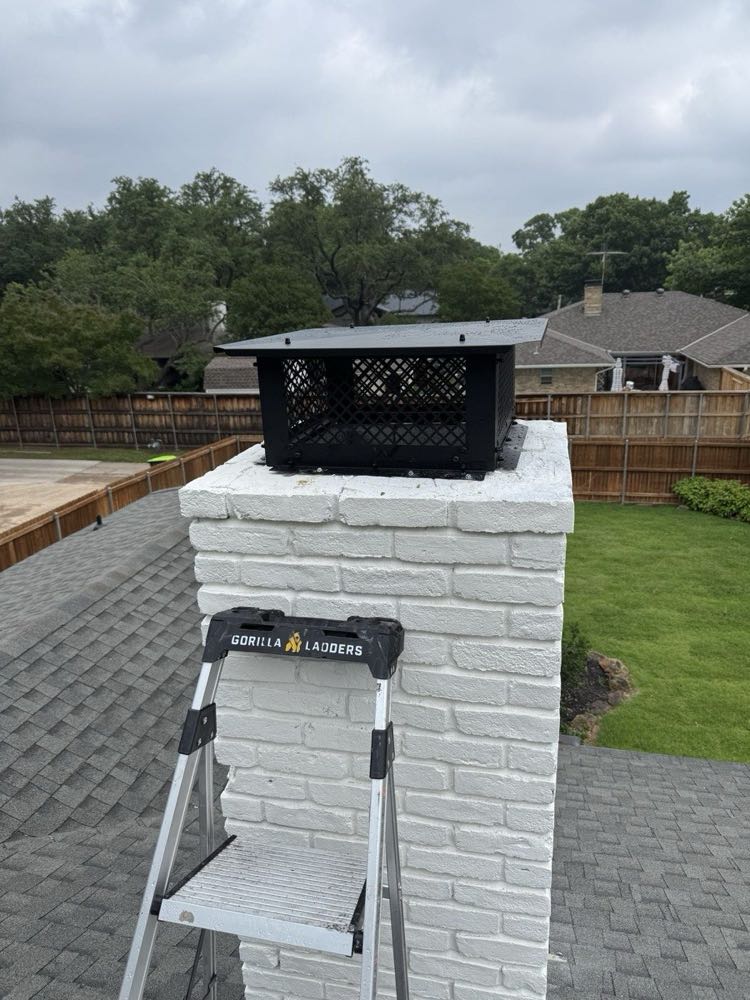
A chimney is the crown jewel of a home — and like any fine jewel, it deserves a careful appraisal from time to time. In Dallas–Fort Worth, where a fireplace may sit quiet for eight months and then work hard through a cold snap, an inspection is not an act of worry. It is an act of stewardship: a calm, methodical look at the one system in your home designed to carry fire safely from your living room to the open sky.
Chimneys rarely fail suddenly. They whisper first. The homeowners who call us early are usually responding to one of a handful of quiet signals:
Any one of these is reason enough to schedule a professional chimney inspection. None of them is reason to panic. Most are addressed elegantly when caught early.
The National Fire Protection Association's NFPA 211 standard defines three levels of chimney inspection. The framework sounds technical; the logic is simple.
A Level 1 inspection is appropriate when nothing has changed: same fireplace, same fuel, same usage, no known problems. The technician examines all readily accessible portions of the chimney and venting system — firebox, damper, visible flue, exterior masonry — verifying the structure is sound and the flue is free of obstruction and significant creosote. This is the inspection every wood-burning household should schedule annually.
A Level 2 inspection includes everything in Level 1 and adds a video scan of the interior flue, plus examination of accessible areas of attics, crawl spaces, and basements the chimney passes through. NFPA 211 calls for a Level 2 upon the sale or transfer of a property, after any operating malfunction or external event likely to have caused damage (a chimney fire, a severe storm, seismic or foundation movement), and when changing fuel type or appliance. If you are buying or selling a DFW home with a fireplace, this is the inspection your transaction deserves — a general home inspector typically only glances at what a flashlight can reach.
Rare and deliberate, a Level 3 is performed when a serious hazard is suspected and cannot be confirmed without removing components — a chase cover, drywall, or portions of masonry. It is never a starting point; it is what a Level 1 or 2 escalates to when the evidence demands it.
The interior of a flue is a place no flashlight truly reaches. A chimney camera changes that. Guided the full height of the flue, it documents in crisp detail what would otherwise remain invisible: cracked or shifted flue tiles, gaps in mortar joints between tiles, the thickness and stage of creosote buildup, obstructions such as nests or debris, and moisture damage inside the chase. At Texan Flue, we consider the camera non-negotiable — it converts opinion into evidence. You see exactly what we see, frame by frame, and the recommendations that follow are grounded in footage, not conjecture.
Pricing across the Metroplex is reasonably consistent, and knowing the ranges protects you from both overpaying and from "free inspections" designed chiefly to sell repairs.
If an inspection reveals buildup, a chimney sweep is quoted separately and performed only when the footage justifies it. Be wary of any company that arrives with a brush before it arrives with a camera.
Our climate is deceptively hard on chimneys. Long, humid summers keep moisture active inside flues, feeding odor and accelerating the corrosion of dampers and liners. Sudden winter freezes catch water inside saturated brick and pry it apart from within. Hailstorms test crowns and caps. And because DFW fireplaces burn intermittently — heavy use during cold fronts, silence in between — creosote can accumulate unevenly and go unexamined for years. An annual inspection, ideally scheduled in late summer or fall before the first fire, catches the summer's damage while repairs are unhurried and appointment calendars are open.
A proper inspection ends with a document, not a verbal shrug. Expect written findings organized by component — crown, cap, exterior masonry, flashing, flue, smoke chamber, damper, firebox — with photographs and video stills of anything noteworthy, a clear statement of the inspection level performed, and recommendations separated honestly into what is urgent, what is advisable, and what is merely worth watching. If moisture is found, the report should address the full water-management picture, from the cap to chimney waterproofing, rather than a single patch. A report you can hand to an insurance adjuster or a buyer's agent is the mark of a firm that stands behind its work.
Your chimney has a story to tell, and for $49 our camera will tell it in full. Schedule your $49 camera inspection with Texan Flue Chimney Service, or call (469) 980-1178 — and give the crown jewel of your home the appraisal it deserves.
Treat it that way — book a $49 camera inspection and see exactly what's going on inside.
Book a $49 Inspection